
Rated 5 Stars

Buying a property is one of the biggest investments you’ll ever make. In Queensland, where many homes were built before asbestos restrictions took effect, it’s also a time to exercise caution. If you’re purchasing a property constructed prior to 1990, an asbestos report can be the difference between a safe investment and a costly risk.
An asbestos report is a detailed document that identifies any asbestos containing materials (ACMs) found in a property. It includes the material’s location, condition, and the likelihood of it being disturbed. This helps buyers make an informed decision about the property.
While building and pest inspections are common, an asbestos inspection report goes deeper—evaluating materials that are not always visible or assessed in a standard inspection. A pre-purchase asbestos report is especially important for older properties, where materials such as cement sheeting, floor tiles, and roof linings may still contain asbestos.
A comprehensive asbestos report typically includes:
This document is essential for understanding the scope of asbestos in a property and is often paired with a home asbestos testing report for validation.
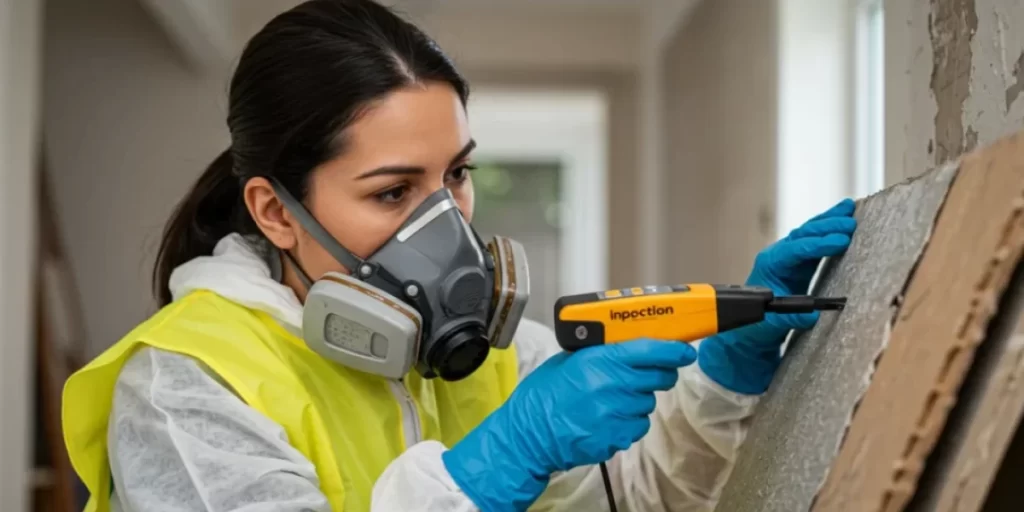
Purchasing a home without a property asbestos report can expose buyers to unexpected renovation costs and health risks. Asbestos fibers, when disturbed, pose serious respiratory hazards. Without testing, materials that look harmless could later require expensive removal.
Moreover, undetected asbestos can delay future renovations, complicate insurance claims, or reduce the resale value of your property. Having a report on asbestos contamination helps prevent these issues and ensures peace of mind during the purchase process.
One of the most important advantages of having an asbestos report is the negotiating power it provides. Buyers can use asbestos findings to:
In many cases, a detailed asbestos findings report provides the clarity buyers need when comparing properties. It also protects you from unexpected costs that arise after the sale.
The testing process for an asbestos report typically involves the following steps:
The process is relatively quick, and results are usually available within a few business days. This makes it possible to obtain crucial information about your prospective property early in the buying process.
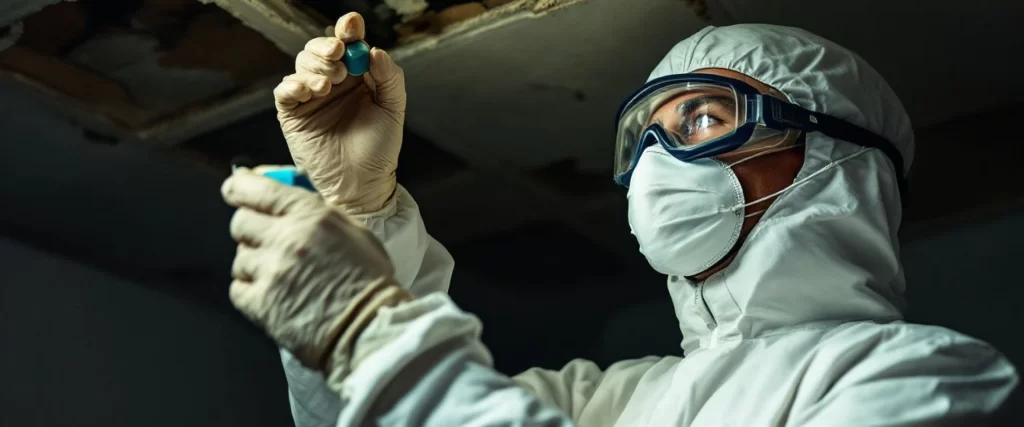
It’s important to request an asbestos report during the pre-purchase inspection stage—before you make an official offer or finalize the sale. This timing ensures you have the report in hand to make an informed decision. If asbestos is found, you can negotiate the price, request remediation, or walk away from the deal.
Waiting until after settlement can lead to unnecessary complications and costs, as the responsibility for asbestos removal will typically fall on you once the purchase is finalized. The sooner you obtain the report, the better prepared you’ll be to address any asbestos-related issues.
Booking a professional asbestos report for homebuyers is easy:
Professional asbestos inspectors will ensure that all areas are thoroughly checked and will provide a comprehensive asbestos report that meets all Queensland safety and compliance regulations.
Asbestos is more common in homes built before 1990, especially in materials like roofing, insulation, and flooring. If the property is old or has undergone renovations, it’s crucial to get an asbestos inspection to check for any hidden risks.
Absolutely. An asbestos report will identify where asbestos-containing materials are located, which is essential if you plan on renovating. It helps you plan safe removal or management during construction to avoid health risks and costly delays.
Finding asbestos after the purchase means it’s your responsibility to manage or remove it. However, having a pre-purchase asbestos report helps you anticipate and plan for these costs, preventing financial surprises.
The cost of an asbestos report is typically a small percentage of your overall property investment, but it could save you thousands in unexpected remediation or repairs. The price varies depending on the size of the property and the complexity of the inspection.
Yes, having a comprehensive asbestos report can help with insurance coverage. Insurers may require proof that asbestos is identified and managed before offering certain policies or agreeing to renovations.
If your property has been renovated or you suspect the condition of the asbestos has changed, it’s good practice to update your asbestos report. Generally, reports should be reviewed and updated every 5-10 years to ensure ongoing safety.
If you choose to remove asbestos, it must be done by licensed professionals. Ensure you have an asbestos management plan in place, including secure removal and disposal methods, to comply with Queensland regulations.
To learn more about inspection options or reporting processes, you can refer to our contact information or browse our detailed overview of asbestos report requirements.
Take the first step toward a safer space today. Our licensed experts provide thorough inspections, and full compliance with Australian safety standards—giving you peace of mind that your home or workplace is protected.